

Around one adult in ten avoids the dentist out of fear, and the people who need implants most are often the ones who have avoided the chair the longest. Treatment abroad will not cure a dental phobia. What it can do is change the shape of the treatment: one planned stay instead of months of appointments, sedation as a normal option rather than a special request, and a coordinator who speaks for you when you cannot. This is how that works, and who it is not for.
Why months of appointments are worse than two weeks
For an anxious patient the hardest part of a UK implant plan is not the surgery; it is the calendar. A consultation, a scan, an extraction, a wait, the placement, a wait, the crown: six or eight separate mornings to dread over most of a year. In Tbilisi the same plan is compressed into one stay of 2–3 weeks, with the plan agreed in writing before you fly. You are frightened once, in a controlled way, rather than repeatedly. Patients tell us this matters more than the sedation.
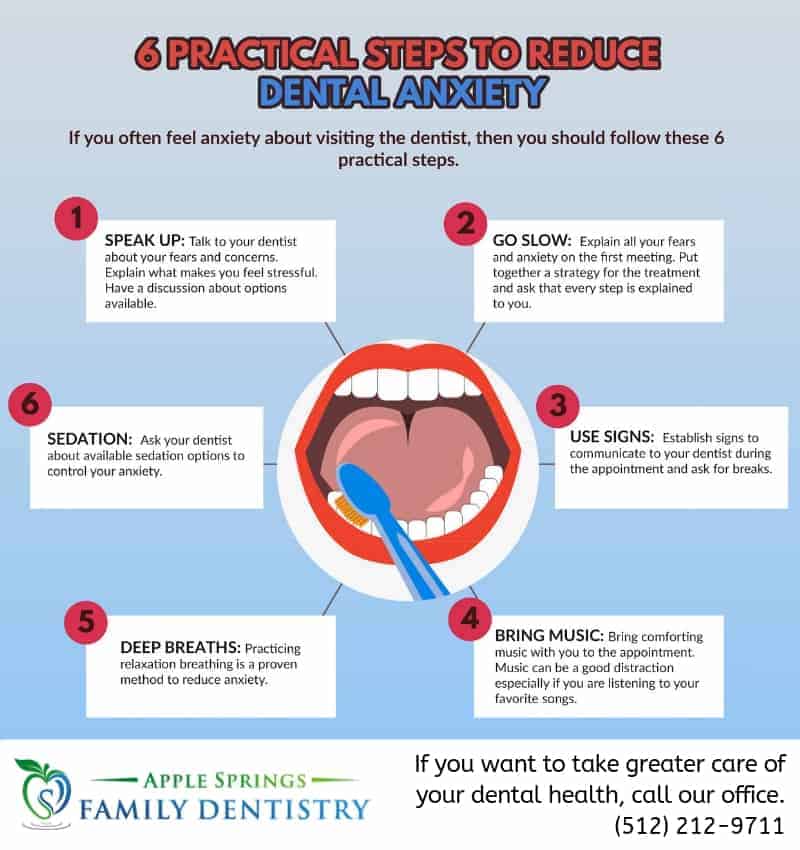
The sedation options, honestly described
- Local anaesthetic only. Standard for single implants, crowns and veneers. You are awake and numb. With a good surgeon and a guided placement, a single implant is under an hour.
- Intravenous sedation. A sedative through a cannula in the hand; you are drowsy, relaxed and usually remember little, but you breathe on your own and respond to voice. This is the usual choice for All-on-4 and for any anxious patient, and it is available at our partner clinics for implant surgery. You need a companion for the rest of the day.
- General anaesthesia. Fully asleep, with an anaesthetist and monitoring. It is reserved for selected full-arch cases and must be planned before you travel, because it needs a pre-assessment and a facility set up for it. Ask for it at the planning stage, not on the day.
What sedation does not do is replace planning. The step-by-step guide shows the checks that make surgery predictable; sedation makes it comfortable.
What a coordinator changes
Phobic patients often cannot ask the questions they need to ask, or hear the answers. Our coordinators attend every appointment, take notes, repeat the plan back to you afterwards in your own language, and handle the practical things (times, transfers, prescriptions) so the only thing you have to manage is yourself. Tell them about the fear when you first message; it goes into the plan like any other clinical fact.
A treatment day for an anxious patient
- The night before: nothing to arrange. The transfer is booked, the time is confirmed, you know who will meet you.
- Arrival: the coordinator meets you at the clinic; you see the same surgeon who wrote your plan.
- Sedation: cannula in, and within a few minutes the room stops mattering. For most patients the next clear memory is being back in the recovery room.
- After: a companion or the coordinator takes you to the hotel. Painkillers, soft food and rest; a check the next day.
Who this is not for
Sedation needs a medical history without uncontrolled heart, lung or airway problems, and honesty about medication and alcohol. Anyone whose anxiety extends to flying or being away from home may find the trip itself harder than the treatment; for them, a local dentist with sedation may be the better route. And no plan should be sold to you as painless or fear-free: it is calmer and shorter, which is a different, more honest promise.
Frequently asked questions
Can I have dental implants under sedation abroad?
Yes. Intravenous sedation is available for implant surgery at our partner clinics in Tbilisi, and general anaesthesia can be planned in advance for selected full-arch cases.
Is sedation included in the price?
Local anaesthesia is included in every price. Sedation is quoted in your written plan when you ask for it, so there is no surprise on the day.
Will I need someone with me?
After IV sedation or general anaesthesia, yes, for the rest of that day. Hotels are booked as doubles at no extra cost, and the coordinator can accompany you if you travel alone.
Does treatment abroad help with dental phobia long-term?
Getting a large treatment done in one calm stay often breaks the avoidance cycle, but it is not therapy. If the fear is severe, a short course of cognitive behavioural therapy before you travel makes the trip easier.
The short version
- One planned stay replaces months of dreaded appointments.
- IV sedation is a normal option for implant surgery; general anaesthesia is planned in advance for selected cases.
- Tell the coordinator about the fear at the first message; it shapes the whole plan.
Nervous about even asking? Message on WhatsApp and say so. A coordinator replies in writing, no calls unless you want one, and a surgeon plans your case from an X-ray without you having to sit in a chair. Free, no deposit.