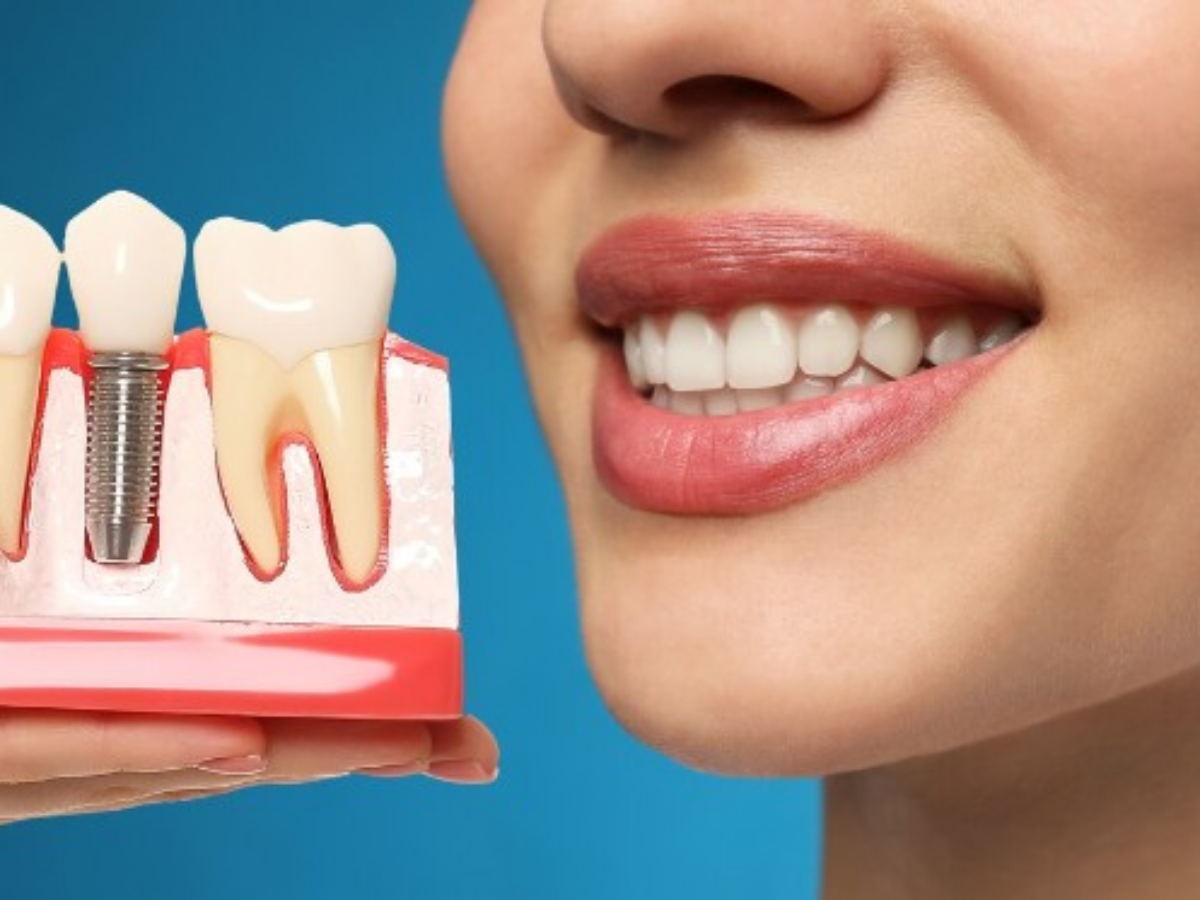
Getting dental implants abroad is not a leap of faith; it is a sequence of steps, and every one of them can be checked before you book a flight. Around 720 people a month in the UK search for exactly this, and most of them are stuck on the same question: what actually happens, in what order, and where can it go wrong?
This guide walks through the whole process as we run it in Tbilisi, from the first X-ray to the final bridge, with real prices and the checks that separate a good clinic from a cheap one. If you are still deciding whether to go at all, start with our honest guide to dental implants abroad; this article is for when you want to know how it works.
Why the price gap is real, and what it does not mean
A single implant with a crown costs £1,800–£3,500 privately in the UK; an All-on-4 arch is £8,000–£18,000. In Tbilisi the same treatment with the same Swiss and German implant brands is £540 and £3,340. The gap is not a discount on quality; it is Georgian salaries, rents and lab costs applied to an internationally standardised product. The fixture in your jaw is the same Straumann or Bredent implant a Harley Street clinic would place.
What changes abroad is logistics and accountability. You need a clinic that plans from your scans before you travel, a schedule that fits healing into one stay, and someone answerable if something needs attention once you are home. The steps below are built around those three things.
Step 1: the remote assessment, before you spend anything
Every serious implant plan starts with imaging. Send a panoramic X-ray (OPG) or, better, a CBCT scan from your local dentist over WhatsApp. If you have neither, a few phone photos are enough for a first opinion, and the scan is taken on arrival.
A surgeon reviews bone height and density, the condition of the remaining teeth, and whether you are looking at single implants, an All-on-4 arch or a full-mouth plan. You get a written treatment plan and a fixed price. Two things to check at this stage:
- Is the price all-in? Ours includes the implants, abutments, surgery, surgical guide, and the temporary and final restorations. Ask any clinic to list what is not included; “from £X” prices usually leave out the crown.
- Which implant system, exactly? Brand and model should be in writing. Unbranded or “premium” without a name is a red flag: it is the difference between a component any dentist in the world can service for decades and one nobody can.
Step 2: planning the trip around healing, not sightseeing
Implants need time to integrate with bone, so the calendar is dictated by biology. A single implant in healthy bone: placement, then a healing cap, then the crown once the bone has integrated. All-on-4: implants placed and a fixed temporary bridge fitted within days, final bridge after healing. Your written plan says how many visits your case needs; most plans are designed for one stay of 2–3 weeks, and your coordinator tells you upfront if a second short visit is required for the final bridge.
Practical details we arrange, and that you should expect from any provider: airport pickup, a hotel within a short drive of the clinic, transfers to every appointment, and a coordinator who speaks your language. Direct flights from London to Tbilisi take around five hours; UK, EU, Israeli and US passport holders do not need a visa for Georgia. Our your trip page has the day-by-day timeline.
Step 3: consultation and surgery day
The first appointment in Tbilisi is a clinical examination and a CBCT scan if you did not bring one. The surgeon confirms the plan, or adjusts it: the remote quote is a plan, not a guess, but bone is only fully known on the scan. You sign the treatment agreement with the final price. Surgery for a single implant takes under an hour under local anaesthesia; All-on-4 takes 2–3 hours per arch, and sedation is available for anxious patients.
The surgical guide matters here. It is a 3D-printed template made from your scan that fixes the angle and depth of each implant before the first incision, which is how immediate-loading protocols stay predictable. Ask any clinic whether they place implants guided or freehand.
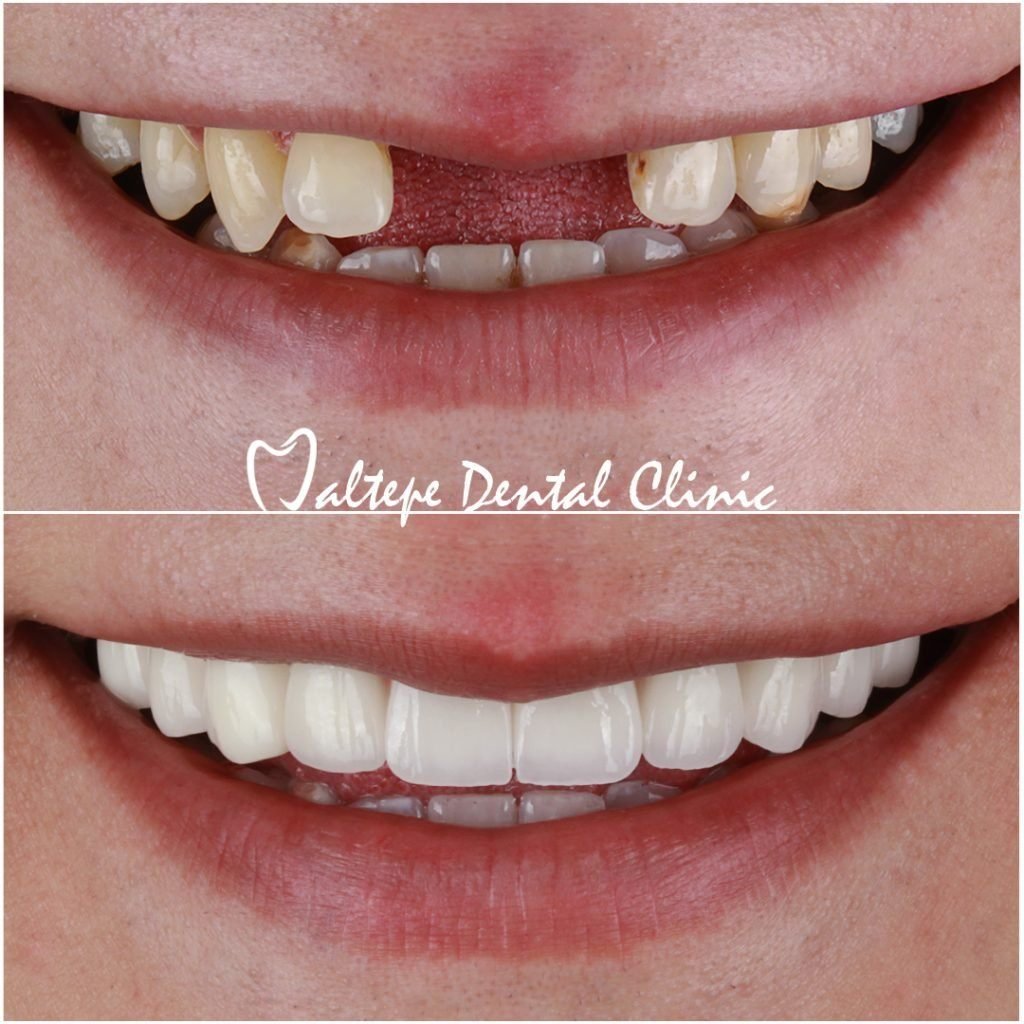
Step 4: the days after, and the flight home
Expect swelling for 2–3 days and mild soreness managed with ordinary painkillers. You are checked in the clinic on day two or three and again before you fly. Soft food for the first week, no smoking, no hard chewing on the surgical side. Flying is fine after the post-op check: most single-implant patients fly home 7–10 days after surgery, All-on-4 patients 10–14 days after, once the temporary bridge has been adjusted.
Before you leave you should be holding your implant passports (brand, model and lot number for every fixture), your scans, the written guarantee and the aftercare protocol. Your home dentist will want all of them.
Step 5: living with the result
Implants are checked once a year, like teeth. A hygiene visit at home every six months keeps the gum around the implant healthy; peri-implantitis, not implant failure, is the main long-term risk, and it is a hygiene problem. A well-placed implant from a serviceable brand should last decades; the crown or bridge on top typically lasts 10–15 years before it is renewed, which any dentist can do because the components are standard.
How to tell a good clinic from a cheap one
The “Turkey teeth gone wrong” stories almost all share the same three shortcuts: no scan before the plan, unbranded components, and no one to call afterwards. Your checklist:
- A written plan from a named surgeon, based on your scan, before you pay anything.
- Implant brand and model in writing, and a guarantee that names them.
- An all-in price with the exclusions listed.
- Guided surgery from a CBCT scan.
- Time in the plan for healing checks before you fly.
- A named contact after you get home, and a written protocol for what happens if something needs attention.
Frequently asked questions
Is it safe to get dental implants abroad?
Yes, when the clinic plans from a scan, uses serviceable implant brands and builds healing time into the trip. The risks people read about come from skipping those steps, not from the country.
How much do dental implants cost abroad?
In Tbilisi, from £540 for a single implant with a crown and £3,340 for an All-on-4 arch, all-in. Use the cost calculator to price your own case in your currency.
How many trips do I need?
Most plans are completed in one stay of 2–3 weeks. Your written plan states whether your case needs a second short visit for the final bridge.
What if something needs attention when I am home?
You message your coordinator on WhatsApp, a surgeon reviews photos or a scan, and the guarantee sets out what is repaired and where. Keep the implant passports; any dentist can service the components.
The short version
- Implants abroad follow the same clinical steps as at home; the price difference is local costs, not lower standards.
- Insist on a scan-based written plan, named implant brands and an all-in price before you book.
- Plan the trip around healing: 2–3 weeks in Tbilisi covers most cases.
Ready to see what your case would cost? Send an X-ray on WhatsApp and a surgeon replies with a written plan and a fixed price. Free, no deposit.