Turkey teeth: what they are, why they go wrong, and what to do instead
“Turkey teeth” is the nickname for a full set of bright crowns or veneers fitted during a short trip abroad. Some results are excellent. Others leave healthy teeth permanently filed down. This guide explains the difference — so you can decide with your eyes open, wherever you have treatment.
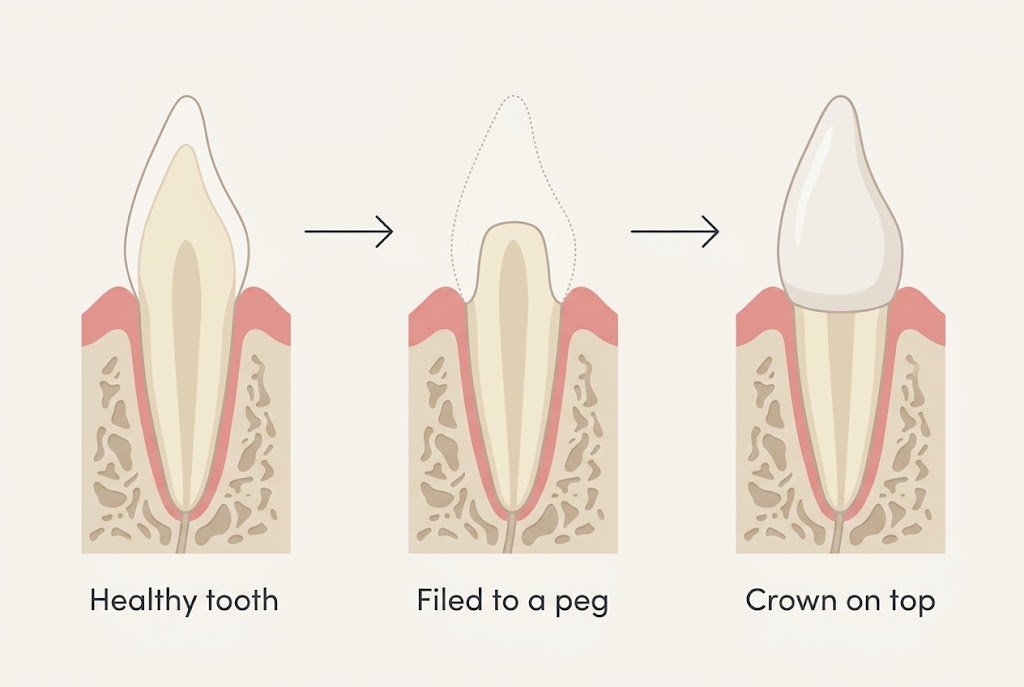
What are Turkey teeth?
Usually crowns, not veneers — and that distinction matters more than anything else on this page.
The term describes a complete set of new front teeth, typically sixteen to twenty zirconia or porcelain restorations in a very bright shade, fitted in a single trip of around five to seven days. Many are sold as “veneers”, but a large share are full crowns: each natural tooth is filed down on every side to a narrow peg so a thick cap can sit over it.
The appeal is easy to understand. Packages cost a fraction of UK private fees, often bundle a hotel and airport transfers, and the before-and-after photos on social media are striking. The problem is that the photos are taken on the day of fitting — not five years later.
Crowns or veneers: the question to ask first
Before comparing any prices, find out which one you are actually being offered, and why.
A veneer covers the front
a thin shell bonded to the surface, with little or no drilling.
A crown covers the whole tooth
the tooth is reduced on all sides, often by a large amount.
Crown preparation is irreversible
once enamel is removed, that tooth needs a crown for life.
Crowns have a place
for broken, heavily filled or root-treated teeth, and on implants.
Healthy teeth rarely need crowns
for colour and shape, veneers or whitening are usually enough.
Ask for the plan in writing
tooth by tooth: crown or veneer, material, and the reason.
Why Turkey teeth go wrong
Most failures trace back to the same few causes — none of them unique to Turkey, all of them avoidable.
Over-preparation
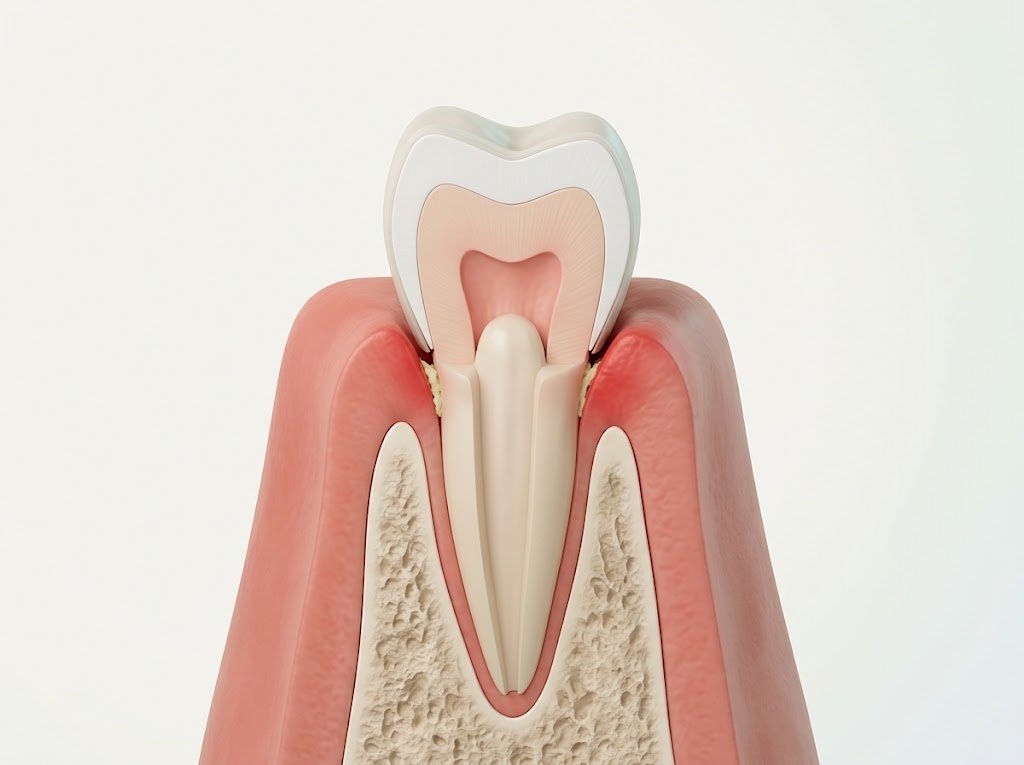
Filing healthy teeth down heavily can inflame or kill the nerve, leading to pain, abscesses and root canals.
A rushed timeline
Twenty teeth prepared and fitted in a few days leaves little room to check gums, bite and fit properly.
Poor fit at the gumline
Gaps or bulky edges trap plaque, causing gum inflammation, bleeding and decay underneath.
Bite and proportions
Over-sized teeth can change the bite, strain the jaw muscles and look unnatural in conversation.
Turkey teeth cost compared with Tbilisi
Typical prices published by Turkish clinics in 2026, against our Tbilisi prices. The same work privately in the UK usually runs £14,000 to £22,000 for a full smile. The honest summary: prices are similar — the difference is what is done to your teeth.
Zirconia crown
per tooth
£180 – £280
£213
E-max® veneer
per tooth
£250 – £350
£213
Full smile, 20 zirconia crowns
£3,500 – £5,500
often includes hotel and transfers
£4,260
treatment only
Turkey teeth questions
What are Turkey teeth?
Turkey teeth is the popular name for a full set of bright crowns or veneers fitted during a short dental trip, usually to Turkey. The phrase often refers to crowns placed over healthy front teeth that have been filed down, rather than thin veneers.
How long do Turkey teeth last?
Well-made zirconia or e.max® restorations can last ten to fifteen years or more. The restorations are rarely the weak point — the teeth underneath are. Heavily prepared teeth can develop nerve problems or decay at the margins, which may shorten the life of the work considerably.
Why do Turkey teeth go wrong?
The most common reasons are over-preparation of healthy teeth, a timeline too short to check fit and bite properly, poorly sealed margins at the gumline, and restorations that are too large for the face and bite. These are problems of planning and technique, not of the country.
How much do Turkey teeth cost?
Published Turkish prices in 2026 are typically £150 to £350 per tooth, or £3,500 to £7,000 for a full smile of sixteen to twenty teeth depending on material, often including a hotel and transfers. The same work privately in the UK is usually £14,000 to £22,000.
Can Turkey teeth be fixed?
Often, yes. Failing crowns can be replaced, inflamed nerves treated with root canals, and teeth that cannot be saved replaced with implants. What cannot be undone is the tooth reduction itself — prepared teeth will always need crowns. Our Turkey teeth gone wrong page explains the options.
Want a second opinion first?
Send a smiling photo and an X-ray on WhatsApp. We will tell you honestly whether veneers, crowns or something else suits your teeth.
Chat on WhatsApp Mon–Sat, 10:00–19:00 Tbilisi time · English, Russian and Hebrew