Dental tourism has an honest case for it and an honest case against it, and most articles only make one of them. The advantages are large and easy to count; the disadvantages are smaller but real, and they fall on the patient who did not plan for them. Here are both sides as we see them from Tbilisi, with the numbers attached.
Table of Contents
ToggleThe advantages of dental tourism
1. The price difference is large, and it survives the trip
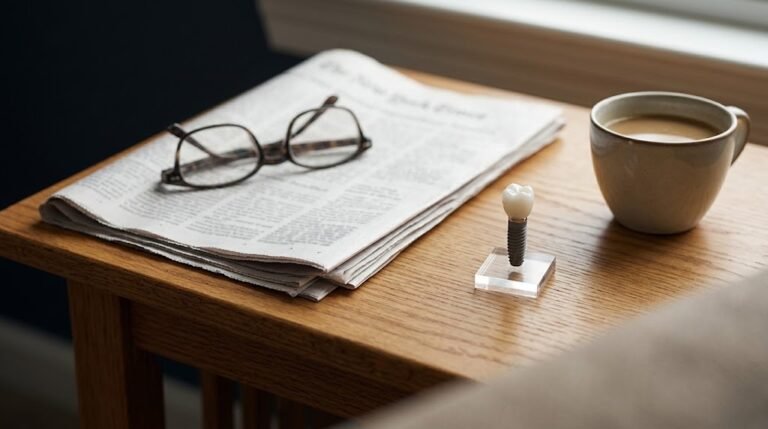
A single implant with a crown is £540 in Tbilisi against £1,800–£3,500 privately in the UK; an All-on-4 arch is £3,340 against £8,000–£18,000. Add £900–£1,500 for flights, a hotel and meals and the saving on implant work is still £3,000–£20,000. We have costed a whole trip in dental tourism cost savings, fully costed; the short version is that the saving is real for implants and full smiles, and not for a single crown.
2. The materials are the same
The price gap is local salaries, rents and lab costs. The implants are Straumann and Bredent, the ceramics are Ivoclar E.max, the scanners and mills are the same brands as in London. A cheap clinic can cut corners on components, which is a reason to read the price list for named brands, not a reason to avoid travelling.
3. No waiting list, and everything in one place
A UK implant plan is often three or four separate appointments spread over months, sometimes across two practices. In Tbilisi the scan, surgery, lab and fitting are in one building and one stay of 2–3 weeks, planned before you fly.
4. Treatments that are hard to fund at home
Full-mouth restorations and whole-smile veneer cases are the treatments that go undone in the UK because £20,000 is a car, not a dental bill. Abroad they become affordable, which is why All-on-4 dominates dental tourism.
5. A recovery in a city worth being in
Two or three rest days after surgery, then Tbilisi’s old town, the baths, Kakheti’s vineyards in the second week. Not the reason to go, but a real part of why people come back.
The disadvantages of dental tourism
1. Follow-up is remote, not down the road
If something needs adjusting six months later, your surgeon is a flight away. What makes this manageable: a written guarantee that says what is repaired and where, a coordinator you can message with a photo, implant passports so any dentist at home can service standard components, and a home dentist you have told beforehand. Without those four things, this disadvantage is serious.
2. Some plans need two trips
Immediate-loading protocols let most All-on-4 patients finish in one stay, but some cases, particularly with bone grafting, need a second short visit for the final bridge. A good plan says so before you book flights; a bad one discovers it in the chair.
3. Your legal position is weaker
You are treated under Georgian law, not the GDC or NHS complaints system. In practice the guarantee is your protection, so read it as a contract: what is covered, for how long, who pays for travel if a repair is needed. Travel insurance does not cover elective dental work anywhere.
4. The industry’s worst clinics are also abroad
Package clinics selling twenty crowns in five days exist because travelling patients are easy to sell to and hard to follow up. The Turkey teeth gone wrong page shows what that looks like. The defence is the same everywhere: a scan-based plan, named brands, an all-in price and a surgeon you can name.
5. It costs time and energy you may not have
Two weeks away, a foreign city after surgery, and the admin of flights and hotels. A concierge service removes most of the admin; nothing removes the two weeks.
Who dental tourism suits, and who it does not
- Suits: anyone facing an implant, All-on-4, full-mouth or multi-tooth veneer quote at home; anyone who can take two to three weeks away; anyone willing to check a plan in writing before paying.
- Does not suit: a single crown or filling; people who cannot travel after surgery; anyone who wants their own dentist to do every stage.
Frequently asked questions
Is dental tourism worth it?
For implants, All-on-4 and full smiles, yes: the saving is £3,000–£20,000 after trip costs. For one crown, no.
What is the biggest risk of dental tourism?
Choosing a clinic that skips the scan, uses unbranded components and has nobody to contact afterwards. Not the flight, and not the country.
How do I handle follow-up when I am home?
Keep the implant passports and scans, tell your home dentist before you travel, and use the coordinator on WhatsApp for anything that feels different. The guarantee sets out repairs.
The short version
- Advantages: £3,000–£20,000 saved on implant work, same brands, no waiting list, one stay.
- Disadvantages: remote follow-up, possible second trip, weaker legal position, and a bad end of the market to avoid.
- The disadvantages are managed by a written plan, named brands and a guarantee you have read.
Not sure which side of the line your case falls on? Send a 3D scan on WhatsApp and a surgeon tells you honestly whether travelling is worth it for you. Free, no deposit.